From 'fixed shuttle bus' to mobile hub: a new trend in the transformation of urban public transportation
City buses used to be the most iconic flow of the city. For ···

City buses used to be the most iconic flow of the city. For a long time, it assumed the basic function of mass commuting in the form of fixed routes, fixed schedules, and standardized large vehicles. In the context of diversified travel structures, low-carbon transformation, and the combination of digital technology, the public transportation industry is undergoing a profound structural reshaping. It is no longer just a simple means of transportation, but is iterating towards green and low-carbon, intelligent networking, on-demand response, and multi network integration, becoming an infrastructure in the smart city system that combines public welfare and service flexibility.
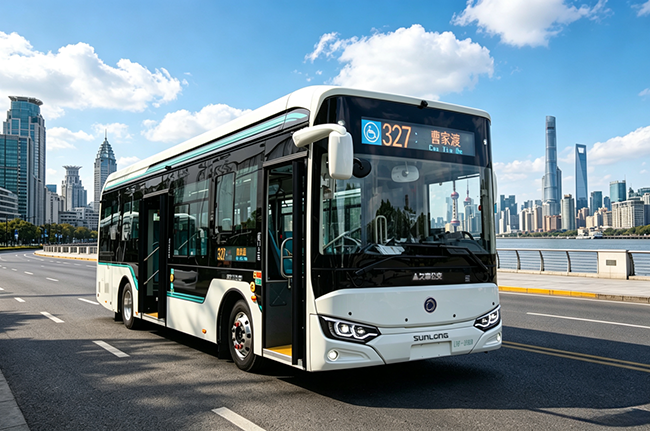
Greening is the clearest mainline for the transformation of public transportation. The carbon reduction targets in the transportation sector continue to drive the iteration of vehicle power systems, and clean energy vehicle models have become the mainstream choice for increasing transportation capacity. This transformation is not just about replacing power sources, but also an upgrade of a complete system: supporting charging and swapping network layout, battery lifecycle management, and synchronized implementation of intelligent energy consumption scheduling. But green transformation does not mean blindly adopting new technologies. Industry consensus is emerging, and evaluation criteria are shifting from a single endurance indicator to a comprehensive consideration of full lifecycle costs, operational convenience, and station carrying capacity. Low carbon is the long-term direction, while stability, controllability, and adaptation to urban finance and station conditions are the prerequisites for sustainable implementation.
Intelligence is restructuring the operational logic of public transportation, with the core change shifting from "people following the route" to "capacity following demand". In the past, buses relied on fixed schedules for departure, and peak congestion and off peak empty driving were long-term pain points. Nowadays, relying on passenger flow big data and AI prediction models, scheduling platforms can dynamically analyze tidal passenger flow, flexibly adjust departure intervals, and allocate transportation capacity. Assisted driving and active safety warning are gradually moving from optional configurations to standard ones, building a strong safety defense line for drivers and pedestrians. It needs to be clarified that the intelligentization of public transportation does not mean blindly pursuing unmanned operation. In complex urban road conditions, the intelligence of bicycles is only the foundation, and the real value lies in the collaborative linkage of vehicles, roads, stations, and clouds. The technology is used in practical scenarios such as online network optimization, safety warning, and operation and maintenance burden reduction, refusing to conceptualize and showcase technology that deviates from the needs of people's livelihood.
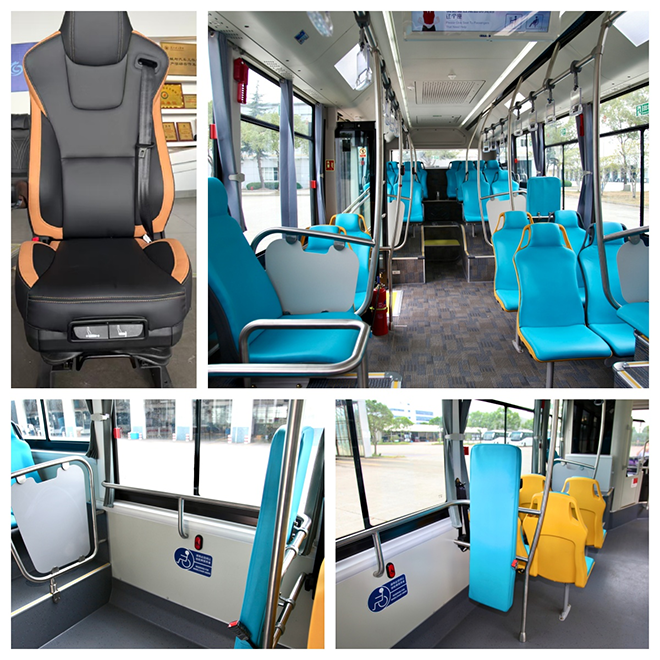
The differentiation of supply modes is currently the most noteworthy trend. Traditional long-distance buses are suitable for main commuting corridors; And scenes such as community terminals, street and alley branches, and rail connections are more suitable for small-sized and lightweight vehicle models. The hierarchical network of "fast, dry, support, and micro" is gradually taking shape: the main lines undertake high-capacity commuting, micro circulation minibuses penetrate into community blind spots, and at the same time, characteristic services such as nursing school dedicated lines, customized commuting lines, and medical shuttle lines are derived. This change conveys a core viewpoint: the value of public transportation lies not in covering all roads, but in filling the gaps in public transportation. It connects with rail transit and slow traffic systems to form an integrated network with "rail as the backbone and public transportation as the extension", connecting the "last mile" of travel.
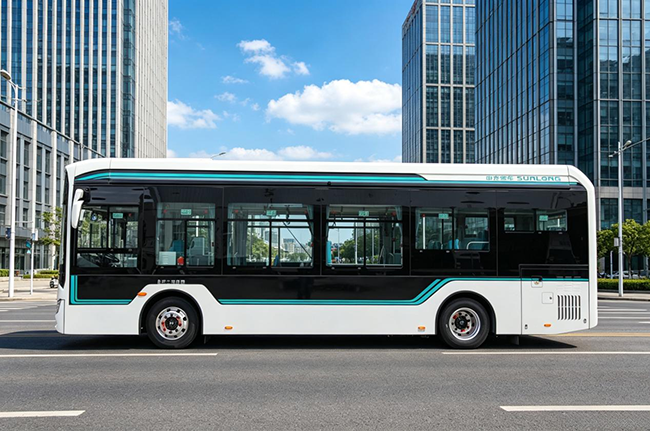
At the same time, the public transportation industry must never lose its fundamental public welfare attribute. The diversion of private cars, ride hailing services, and two wheelers has brought sustained pressure to public transportation operations, resulting in a continuous decline in passenger flow on many routes. In the face of challenges, the industry's solution is not simply to cut lines or reduce schedules, but to implement a dual line approach: to uphold the bottom line of universal access and protect the basic travel rights of the elderly, low-income groups, and residents in remote areas; Beyond basic services, explore diversified operations, activate station and vehicle space resources, broaden revenue channels, and alleviate the pressure of single financial subsidies. Public welfare is the foundation, and market-oriented innovation is the supplement. Only by balancing the two can the industry operate for a long time.
Looking ahead to the future, the ultimate form of public transportation is not a single vehicle upgrade, but a set of dynamically adapted travel service systems for urban growth. It will continue to maintain a green background, improve efficiency with digital technology, match diverse needs with differentiated services, and deeply integrate into the city's comprehensive transportation network. No matter how the technology iterates, there is one underlying logic that will not change: the original intention of public transportation is to provide stable, safe, and affordable travel options for ordinary people. Technology is the means, and people's livelihoods are the endpoint. Only by upholding the universal value and keeping up with changes in urban demand can this urban shuttle bus continue to radiate long-term vitality.